Land surveying plays a crucial role in shaping how communities grow, properties are defined, and development projects move forward. However, the approach, tools, and challenges involved in surveying can differ significantly depending on whether the land is located in an urban or rural environment. Urban areas typically feature dense construction, strict zoning laws, and clearly documented property boundaries, while rural regions often present vast open spaces, natural terrain, and historical land markers that require a different set of strategies. Understanding these differences is essential for property owners, builders, and buyers, as it influences project timelines, surveying costs, and the accuracy of recorded boundaries.
Urban Surveying: Precision in Dense Environments
Urban land surveying demands an exceptional level of precision, largely because every inch of space matters in cities where properties are tightly packed and developments must adhere to detailed regulations. Surveyors in urban areas often navigate around buildings, utilities, and heavy traffic, making visibility a challenge. To compensate, they rely heavily on advanced technology such as total stations, 3D scanners, and GPS-enabled instruments to gather accurate measurements within limited working spaces. Urban surveys also require strict adherence to municipal codes that govern setbacks, easements, and land use, meaning surveyors must frequently consult detailed records and work closely with city planners. Another significant factor is the presence of underground systems—water lines, electrical conduits, sewer networks, and communication cables—which must be identified and mapped to prevent future construction hazards. These complexities make urban surveying both highly technical and heavily regulated.
Rural Surveying: Navigating Natural and Historical Land Markers
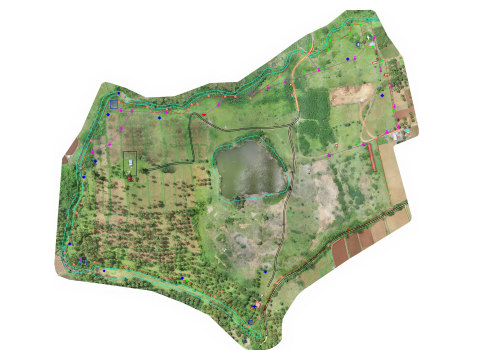
In contrast, rural land surveying typically involves larger tracts of land with fewer man-made obstacles but far more natural variables. Surveyors often deal with uneven topography, wooded areas, rivers, and expansive fields, which can make travel and measurement more time-consuming. Property boundaries in rural settings may rely on historical documentation, old markers such as stone piles or tree lines, or original survey notes that date back decades. Because these references can shift or deteriorate over time, rural surveyors must interpret historical data with care and reconcile it with modern tools like GPS and aerial mapping. While rural surveying involves fewer structural interferences, weather conditions, wildlife, and remote access challenges can affect the process. Additionally, rural surveys may focus more on agricultural use, environmental conservation, or large-scale development potential, which requires a broader understanding of land capabilities.
Shared Considerations and Final Insights
Despite the differences, both urban and rural surveying share common goals: establishing clear boundaries, supporting safe development, and providing accurate data for decision-makers. Surveyors in both settings must blend technical expertise with problem-solving skills, whether they’re interpreting outdated plats or coordinating with utility experts. In some cases, they may also evaluate terrain, drainage, or building systems that relate indirectly to surveying, such as when property owners seek guidance from HVAC professionals like Nortech Heating, Cooling & Refrigeration. to ensure structures align with environmental and zoning expectations. Ultimately, recognizing the distinctions between urban and rural surveying helps property owners better prepare for the process, anticipate potential challenges, and choose the right professionals for the job. Whether the land is part of a bustling city block or a quiet countryside parcel, a thorough and accurate survey lays the foundation for informed, responsible development.